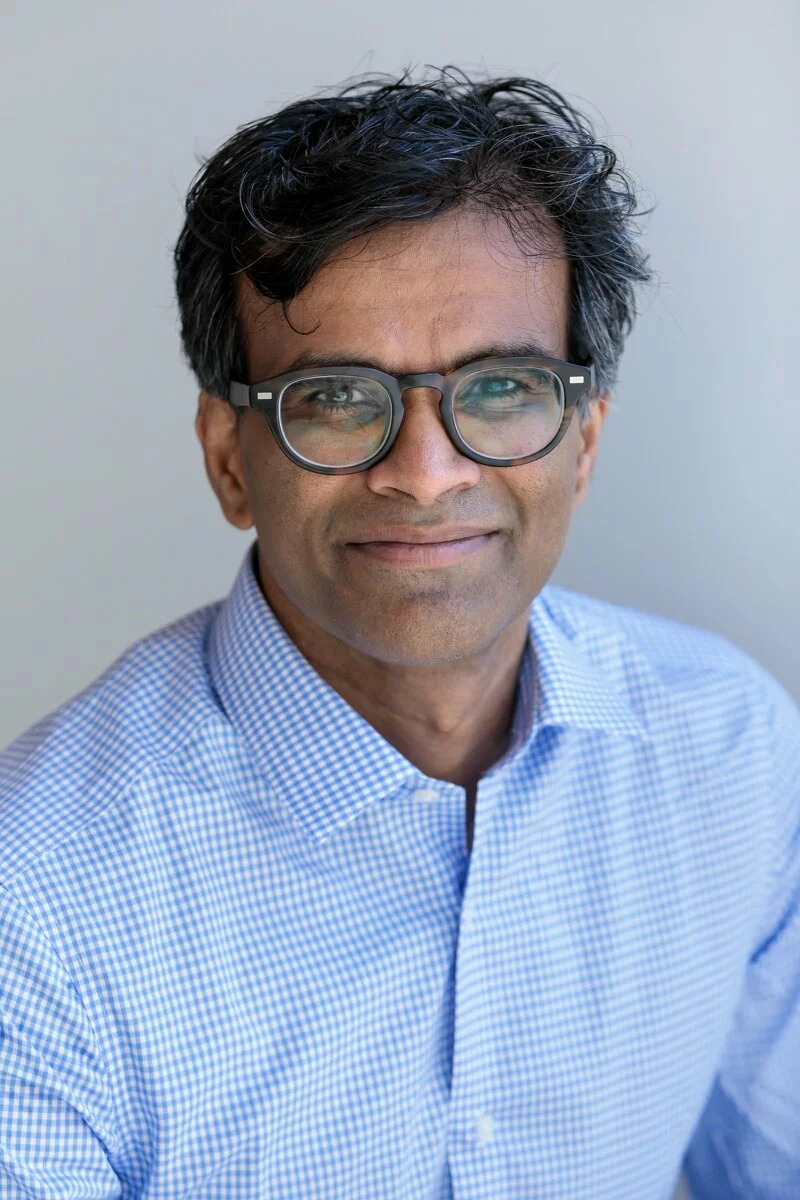
Poorman of Behavioural Economics
Sendhil Mullainathan (born 1973, in India) is a renowned behavioral economist whose work focuses on understanding how cognitive biases, poverty, and social influences affect decision-making and economic outcomes. His research bridges the fields of economics and psychology, seeking to understand how people, especially those facing economic hardship, make decisions in a way that diverges from traditional models of rational choice.
One of Mullainathan’s most significant contributions is his exploration of cognitive limitations and how they influence the behavior of individuals, particularly in the context of poverty. In collaboration with Eldar Shafir, he co-authored the influential book “Scarcity: The New Science of Having Less and How It Defines Our Lives” (2013), which argues that scarcity—whether it’s a lack of money, time, or resources—can reshape individuals’ cognitive abilities and decision-making, leading to short-term thinking and suboptimal choices. The book suggests that scarcity captures the mind, impairing the ability to plan for the future and resulting in self-reinforcing cycles of poverty.
Mullainathan has also contributed to the development of the field of “nudge theory” through his work on behavioral interventions and how small changes in the way choices are presented can lead to better decision-making. His research has examined market behavior, the effects of financial incentives, and how behavioral biases can impact sectors like healthcare, education, and financial decision-making.
He completed his undergraduate studies at Harvard University and earned his Ph.D. from MIT. He has since held faculty positions at Harvard University and has become a prominent figure in policy advocacy, working on ways to apply behavioral economics to address real-world issues like poverty, inequality, and public health.
Some of Mullainathan’s major works include “Scarcity: The New Science of Having Less and How It Defines Our Lives” (2013), “The Market for ‘Lemons’ and Public Policy” (2001), and his various contributions to behavioral insights in policy-making.
 The Economic Vanguard