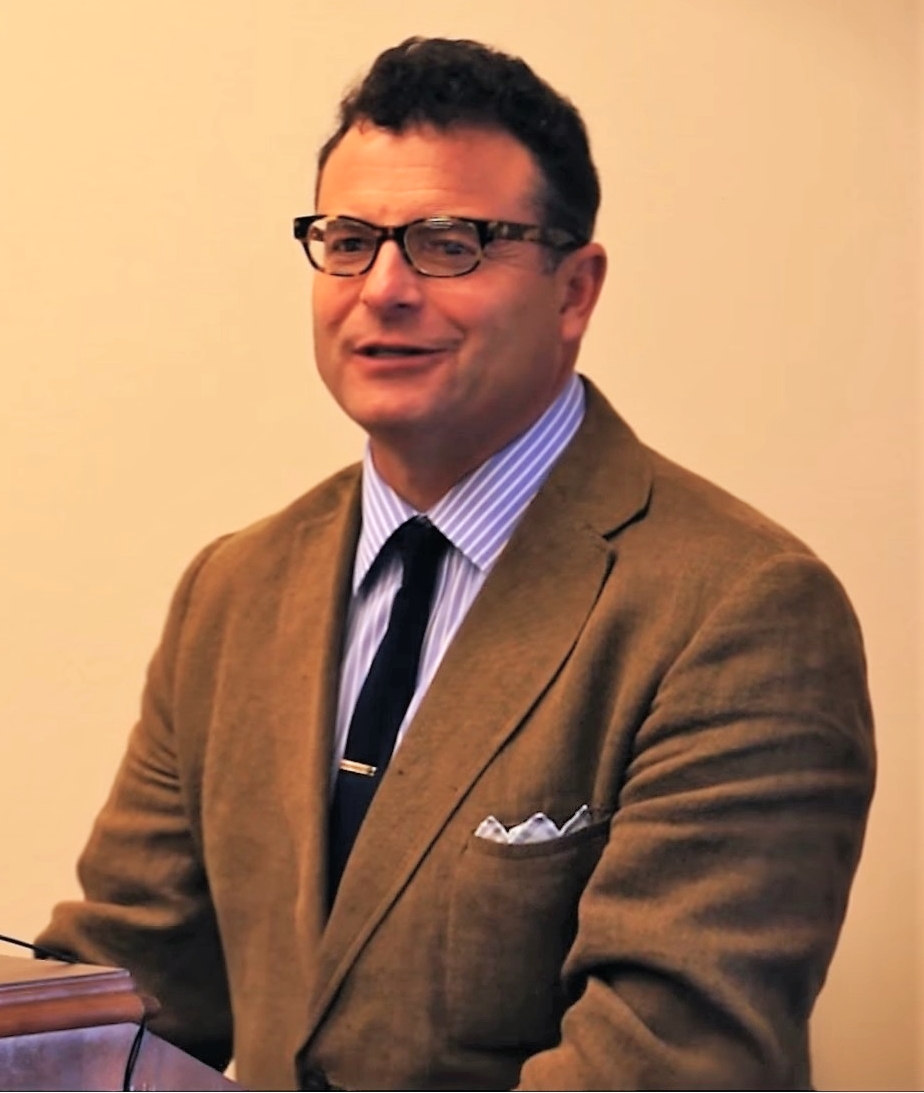
Founder of Free Banking Economics
George Selgin (born 1957, Ithaca, New York) is a leading economist in the field of free banking and monetary theory. A prominent advocate of competitive currency issuance, he has contributed extensively to the study of banking systems that operate without central bank oversight.
Selgin is best known for his work on free banking, monetary equilibrium, and the role of productivity in deflation. He has argued that a competitive banking system, rather than a government-controlled central bank, can provide more stable and efficient monetary policy. His research explores historical examples of free banking, particularly in Scotland and Canada, to demonstrate how decentralized currency issuance can function effectively without causing inflation or economic instability.
His major works include The Theory of Free Banking (1988), which provides a theoretical foundation for understanding how competitive banks can issue their own currency while maintaining stability, and Good Money (2008), which examines private coinage in Britain as an example of spontaneous monetary order. Additionally, Floored! (2018) critiques the Federal Reserve’s post-2008 monetary policy and its shift to an interest-on-reserves system.
Selgin has held academic positions at the University of Georgia and is a senior fellow at the Cato Institute, where he directs the Center for Monetary and Financial Alternatives. His research continues to challenge conventional central banking models by advocating for market-driven alternatives.
 The Economic Vanguard