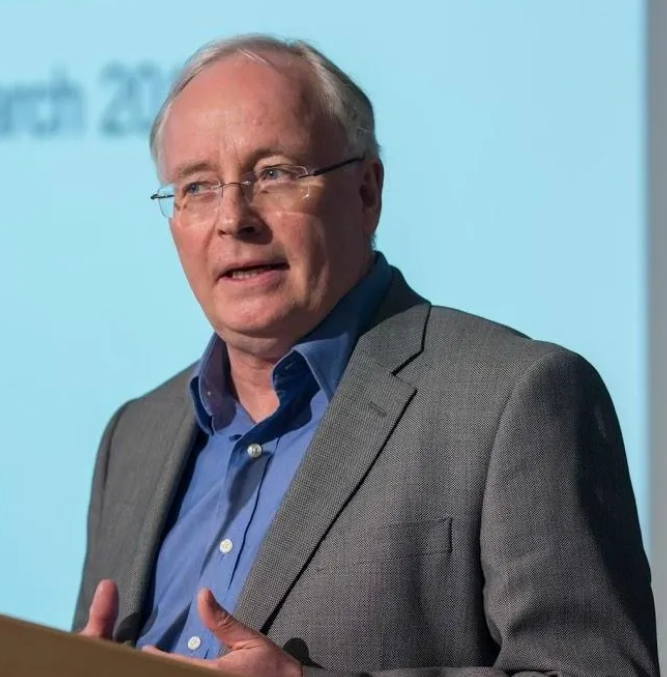
Metalurgist of Free Banking Economics
Kevin Dowd (born 1954, United Kingdom) is a British economist renowned for his contributions to free banking, monetary theory, and financial market regulation. A staunch advocate for the abolition of central banks and government-controlled money supply, Dowd has been an influential voice in the field of free banking economics.
Dowd’s research focuses on the inefficiencies and dangers of central banking systems, arguing that private competition in banking and currency issuance could offer a more stable and efficient alternative. He advocates for a privatized monetary system where private banks issue money backed by market forces, rather than central banks manipulating the money supply. Dowd’s work explores how free banking could reduce inflationary pressures, enhance financial stability, and improve economic performance.
One of his major works is The Case for a 100 Percent Gold Dollar (1990), which provides a compelling argument for the return to a gold standard and critiques the current fiat money system. His later work, Why Privatize Money? (2011), examines the historical and theoretical foundations of free banking and proposes ways to transition to a system where private money replaces government-issued currency. Dowd has also written extensively on the risks of financial regulation and the need for market-based solutions to financial crises.
Dowd served as a professor of financial economics at the University of Nottingham and has been actively involved in the academic and policy debates surrounding monetary reform. His work continues to inspire scholars and advocates of free banking and sound money systems. He has played a key role in shaping discussions about the privatization of money and the role of central banks in modern economies.
 The Economic Vanguard