Skeptic of Marxist Economics
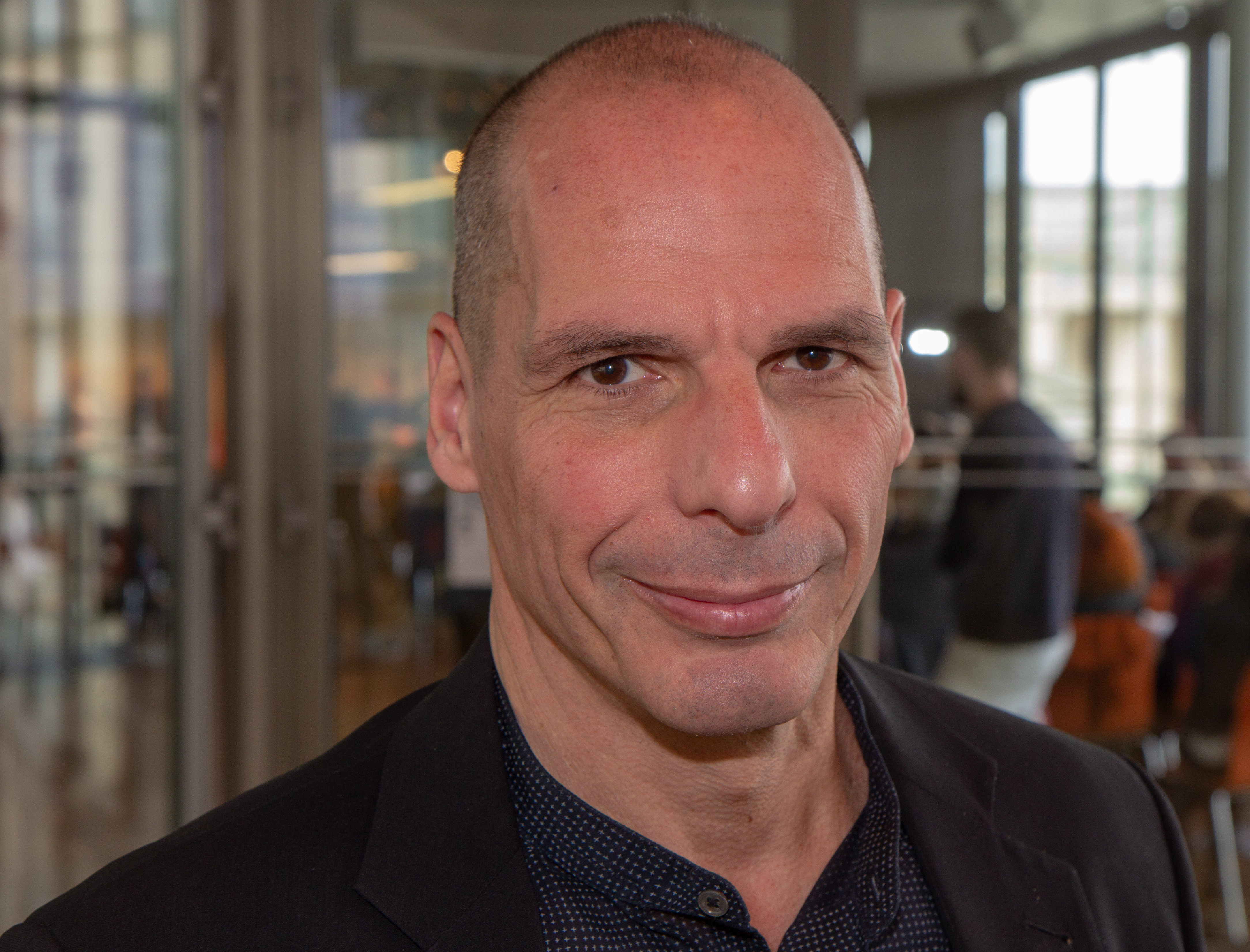
Yanis Varoufakis was born on March 24, 1961, in Athens, Greece, and is a renowned economist, author, and political figure. Varoufakis is best known for his role as Greece’s Minister of Finance during the Greek debt crisis in 2015, where he became a prominent figure in European economic debates. Varoufakis is a Marxist economist but with a strong focus on modern economic systems, particularly those related to the Eurozone and global capitalism. He is also known for his critiques of neoliberalism and his efforts to introduce alternative economic models for dealing with the growing crises within the European Union, including the need for systemic reform within the Eurozone.
Varoufakis completed his undergraduate studies in economics at the University of Athens before earning his Ph.D. in economics from the University of Essex in the United Kingdom. He went on to teach at various prestigious institutions, including the University of Texas and the University of Athens, where he focused on game theory, economic modeling, and the intricacies of global economic systems. His background in game theory heavily influences his work, especially in how he frames economic negotiations and the behavior of states and institutions in economic crises.
One of Varoufakis’s key contributions is his examination of the European financial crisis, particularly in his seminal book, “Adults in the Room: My Battle with the European and American Deep Establishment” (2017). This work recounts his time as the Greek finance minister during the intense negotiations with the European Union and the International Monetary Fund (IMF) over Greece’s debt restructuring. In this book, Varoufakis provides a detailed insider’s account of the high-stakes economic discussions, exposing the ideological and political divides that shaped the outcome of Greece’s economic crisis. He argues that the EU’s policies toward Greece exacerbated the crisis, as they were designed to preserve the European financial system at the expense of the Greek population’s welfare.
Varoufakis also wrote “The Global Minotaur: America, the True Origins of the Financial Crisis and the Future of the World Economy” (2011), in which he argues that the 2008 global financial crisis was a direct consequence of the United States’ imbalanced role in the global economy. Drawing on Greek mythology, Varoufakis uses the metaphor of the Minotaur to describe how the global financial system, led by the U.S., became a monstrous and unsustainable force, consuming ever more credit and debt while benefiting from the imbalance between the world’s financial sectors. He critiques the lack of a global economic governance framework that could prevent such crises, and he warns against continuing the same policies that led to the crash.
In addition to his books, Varoufakis is the author of various essays and papers, most of which critique contemporary economic systems, particularly in relation to global finance, the Eurozone, and neoliberalism. His work frequently highlights the tensions between national sovereignty and international economic forces and the ways in which these forces shape economic policies. He has been a vocal advocate for debt forgiveness and restructuring in countries affected by the global economic system, particularly Greece. His stance often draws from his broader belief that the European Union and the global financial order need to undergo profound structural reforms to serve the public good rather than entrenched financial elites.
Varoufakis’s political and economic ideas go beyond just critique, as he advocates for alternative economic frameworks to replace the existing system. In his book “Talking to My Daughter About the Economy: A Brief History of Capitalism” (2017), he presents a simplified account of economic theory, aimed at educating the general public on the origins and workings of capitalism. Varoufakis seeks to empower individuals to understand economic systems, offering an accessible explanation of economic concepts in an effort to inspire a more democratic approach to economic policy. The book also critiques the economic policies of the left and suggests that a meaningful change in global economic relations requires more than just policy shifts—it requires a cultural shift in how we think about economics.
While Varoufakis is often associated with Marxist economic thought, he is not a conventional Marxist. He advocates for radical reforms to the current system but believes that the future of the economy lies not in returning to classical socialist models but in finding practical solutions within the realities of global capitalism. He has positioned himself as a leading voice advocating for an economic New Deal for Europe, calling for reforms that empower national governments to regulate financial markets more effectively and reduce reliance on economic austerity measures.
Varoufakis remains active in politics and continues to speak out on a variety of economic and political issues, including the need for a unified European fiscal policy, democratic economic governance, and global economic reforms. He is also a founding member of the political party “DiEM25” (Democracy in Europe Movement 2025), which advocates for a progressive and democratic European Union.
Yanis Varoufakis’s work continues to inspire debate and reflection on the future of global finance, economic justice, and the role of democratic participation in shaping economic policy. His writings are both a critique of the status quo and a call to rethink the foundational principles of economic governance, making him one of the most influential and controversial economists of his generation.
 The Economic Vanguard